Here's a line pulled from a real ESG Analyst job post on LinkedIn last month: "Passion for sustainability and commitment to making a difference in the world."
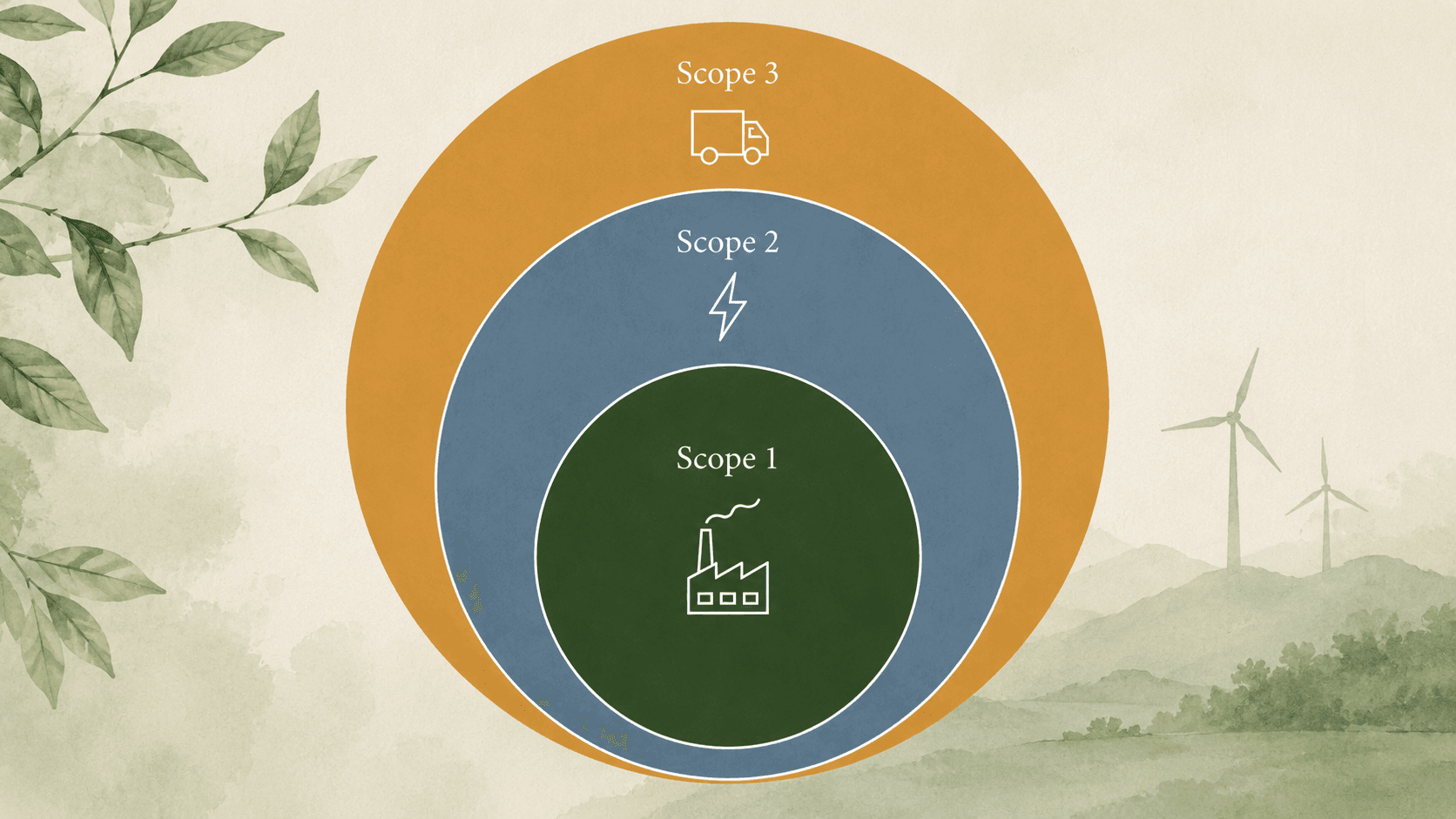
Here's what the hiring manager asked in the first screening call: "Have you built a Scope 3 inventory before? Walk me through your methodology."
That gap — between what companies advertise and what they're actually screening for — is where most sustainability candidates get eliminated. Not because they lack the skills. Because they prepared for the wrong test.
The skills that get you hired in sustainability aren't on the job description. They're the ones that prove you can do the work on day one. This article breaks down exactly what those skills are, what hiring managers are listening for in interviews, and how to signal the right things before you even get on a call.
What the Job Post Says vs What They're Actually Screening For
Most sustainability job descriptions are written by HR generalists working from a template, not by the sustainability manager who'll actually run the team. The result is language that sounds meaningful but tells a hiring manager almost nothing about whether you're qualified.
Here's the translation:
What the job post says | What the hiring manager actually means |
|---|
"Passion for sustainability" | Can you explain why Scope 3 matters without Googling it? |
"Experience with ESG frameworks" | Do you know SASB vs GRI vs TCFD and when each applies? |
"Strong analytical skills" | Can you work with messy emissions data and make it defensible? |
"Excellent communication skills" | Can you translate a carbon inventory into a board slide? |
"Knowledge of sustainability trends" | Are you tracking SEC climate disclosure and CSRD timelines? |
"Collaborative team player" | Can you get supply chain, legal, and finance to cooperate on Scope 3 data? |
"We stopped asking about passion in 2022. Everyone says they're passionate. Now we open every screening call the same way: tell me about the last time you worked with actual emissions data. That one question tells us almost everything."
— Sustainability hiring manager, ESG consulting firm (paraphrased from a GreenBiz hiring panel)
The candidates who make it past the first screen aren't necessarily more experienced. They're more specific. They talk in frameworks, not feelings.
The 5 Things Hiring Managers Actually Screen For
1. GHG Protocol Fluency
Not just awareness — fluency. There's a significant difference between knowing the GHG Protocol exists and being able to explain the difference between spend-based and activity-based Scope 3 methods, or knowing which supplier tiers to prioritize when you're missing data from 40% of your value chain.
Hiring managers in ESG reporting roles will probe this hard. The GHG Protocol is the global standard every sustainability team runs on. If you can't speak it conversationally, you'll struggle to get past round one for any role that touches emissions reporting.
How to demonstrate it: Don't just list "GHG Protocol" on your resume. Write a bullet that shows application — "Developed Scope 3 Category 1 and 11 inventory for a manufacturing company using spend-based methodology; identified $2.1M in emission reduction opportunities."
2. Framework Literacy
TCFD, SASB, GRI, CDP — these aren't interchangeable buzzwords. Each has a distinct purpose, audience, and disclosure structure, and knowing which one applies in which context is a baseline competency for most mid-level sustainability roles.
TCFD (Task Force on Climate-related Financial Disclosures): Used for climate risk disclosure to investors. Now mandatory for SEC-reporting companies.
SASB (Sustainability Accounting Standards Board): Industry-specific materiality standards. Used in investor-focused sustainability reports.
GRI (Global Reporting Initiative): Broad stakeholder transparency framework. Used in public sustainability/ESG reports.
CDP: Investor and customer-driven disclosure platform. Companies score annually on climate, water, and forests.
How to demonstrate it: In an interview, reference the framework the company actually uses. If their sustainability report is GRI-aligned, show up knowing their GRI disclosure table. That preparation is visible and rare.
3. Regulatory Awareness
ESG compliance has shifted from voluntary to mandatory faster than most companies anticipated. Hiring managers need people who understand what's already in effect and what's coming — not people who'll need to be briefed on the basics in week one.
The regulatory landscape in 2026:
SEC climate disclosure rules: Large accelerated filers now required to disclose Scope 1 and 2 emissions and climate-related risks in annual filings
CSRD: EU Corporate Sustainability Reporting Directive applies to large EU companies and US subsidiaries above threshold — affecting more US companies than most HR teams realize
California SB 253/261: Requires large companies doing business in California to disclose Scope 1, 2, and 3 emissions (SB 253) and climate-related financial risks (SB 261)
How to demonstrate it: Know which regulations apply to the company you're interviewing with. Public company over $700M revenue = SEC disclosure scope. EU operations or revenue = possible CSRD applicability. California revenue over $1B = SB 253 scope. Arriving with this mapped out signals you're already doing the job.
4. Stakeholder Translation
Technical ESG competency gets you to the final round. The ability to make that competency useful to non-ESG people gets you hired.
Sustainability teams don't operate in isolation. They need buy-in from finance (for carbon pricing assumptions), legal (for disclosure review), procurement (for Scope 3 supplier engagement), and the board (for climate risk oversight). The candidates who stand out can move between technical language and stakeholder language without losing accuracy.
How to demonstrate it: In your interview, when you describe past work, don't just explain what you measured. Explain who you reported it to, what decision it informed, and how you framed it for a non-technical audience. That's the skill.
5. One Domain Anchor
Generalists in sustainability are increasingly hard to hire for. Companies have learned that a candidate who "knows sustainability" but has no deep functional expertise struggles when they hit the hard, domain-specific problems — a supply chain Scope 3 engagement, a climate stress test for a loan portfolio, a TCFD risk assessment for a real estate portfolio.
Your domain anchor is your specific professional expertise — finance, engineering, legal, supply chain, data science — applied to a sustainability context. It's what makes you hireable over someone with the same ESG knowledge but no functional depth.
Your domain anchor isn't your weakness. It's your competitive advantage. Lead with it.
What Most Candidates Get Wrong