Renewable Energy Jobs in 2026: The Complete Guide by Role, Salary, and Region
Renewable energy has three separate career tracks — field, development, and finance. Most candidates search without knowing which one they're actually qualified for.
Sustainability jobs have split into two tiers — one accelerating fast, one stagnating. Most candidates are searching in the wrong one. Here's the full picture.

Demand for green-skilled workers grew 11.6 percent last year. That number gets quoted in every sustainability career article — but it obscures something more important.
That growth is not evenly distributed. It never was.
The sustainability job market in 2026 has split into two distinct tiers, growing at very different rates, requiring very different backgrounds, and paying very different salaries. Most candidates searching "sustainability jobs" don't know which tier they belong in. That mismatch — applying Tier 2 experience to Tier 1 roles, or searching with the wrong vocabulary entirely — is the most common reason qualified people get ignored.
Tier 1 — regulatory-driven roles: ESG reporting, climate risk analysis, carbon accounting, GHG inventory, climate disclosure, CSRD and SEC compliance. Growing at 2–3x the rate of the broader job market. Compensation rising fast. Driven by mandatory corporate disclosure requirements that now have legal and financial teeth.
Tier 2 — mission-driven roles: Environmental scientist, conservation officer, CSR coordinator, sustainability communications, environmental educator. Growing at roughly the rate of the overall job market. Compensation stable but not accelerating. Driven by voluntary corporate commitments and NGO funding.
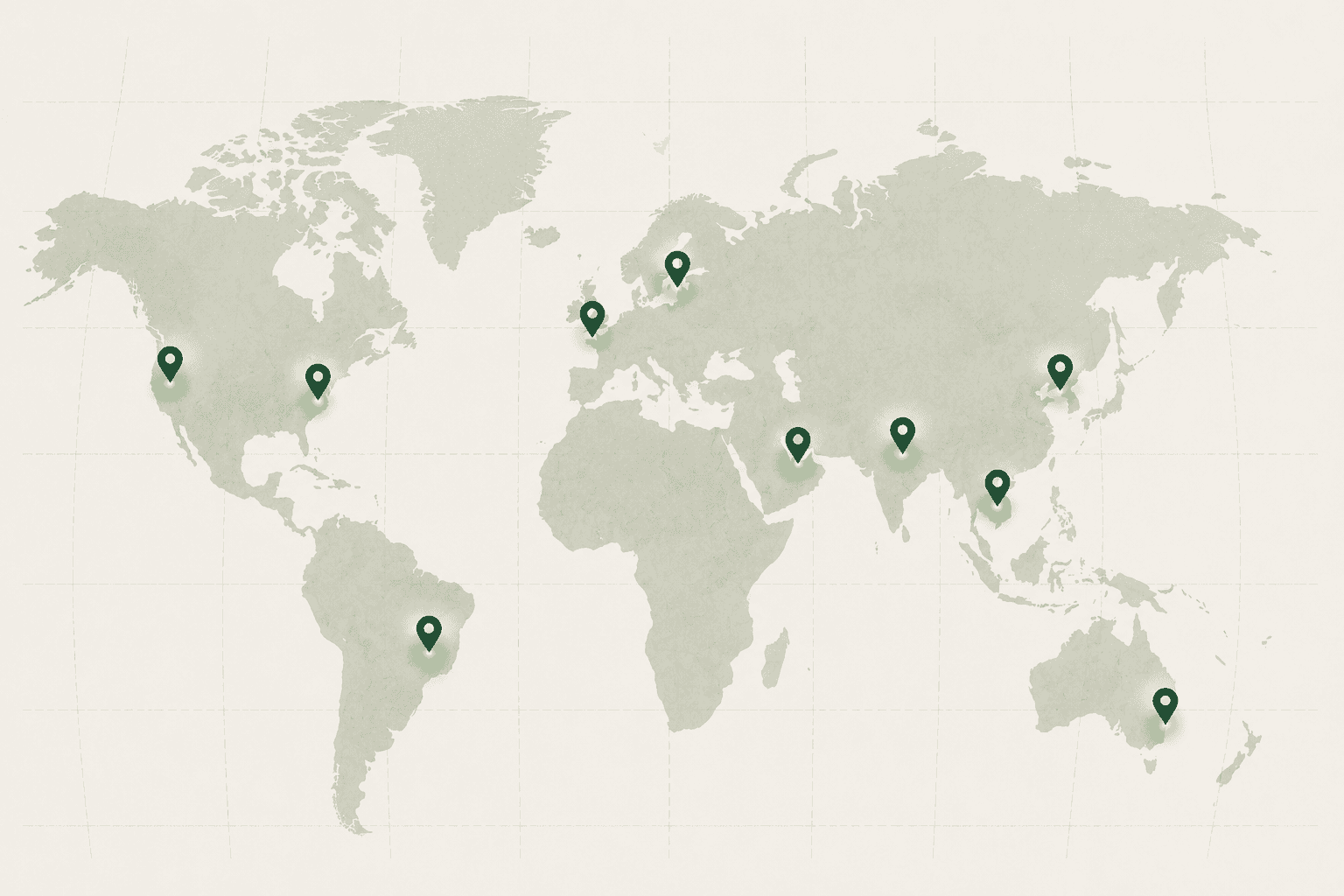
This guide maps both tiers — the sectors within each, what they pay, how the picture varies across the US, UK, Australia, Canada, and India, and how to position yourself for the roles that are actually hiring.
Before sector or salary, this is the filter that changes everything about your job search.
Tier 1 — Regulatory-driven | Tier 2 — Mission-driven | |
|---|---|---|
Example roles | ESG analyst, carbon accountant, climate risk analyst, sustainability disclosure manager | Environmental scientist, CSR coordinator, sustainability communications, conservation officer |
Primary growth driver | Mandatory disclosure (SEC, CSRD, SEBI, FCA, Safeguard Mechanism) | Voluntary corporate commitments, NGO funding, public sector |
Compensation trend | Rising fast — regulatory workload = compliance premium | Stable — modest YoY growth |
Best-fit backgrounds | Finance, accounting, legal, engineering, data analysis | Environmental science, biology, communications, policy |
Hiring rate vs market | 46.6% higher than the broader workforce | Broadly in line with overall market |
Where most roles are posted | Corporate career pages, ESG-specific platforms, Big 4 | NGOs, government, environmental consultancies |
The distinction matters because job search strategy differs between the tiers. Tier 1 roles require specific framework vocabulary on your resume — GHG Protocol, TCFD, SASB, Scope 3. Tier 2 roles respond to a different set of signals. Applying with the wrong language to the wrong tier produces silence, not rejections — which is why so many candidates assume the market is more competitive than it actually is.
The fastest-growing sector in Tier 1. Every large public company in the US, UK, EU, and increasingly India and Australia now has mandatory sustainability disclosure requirements. The function that didn't exist at most companies in 2020 is now a board-level compliance obligation.
Roles: ESG analyst, GHG reporting analyst, sustainability disclosure manager, climate risk analyst, ESG assurance coordinator. Salary range: $75,000 – $130,000 (US). Premium in financial services and Big 4 consulting. Best backgrounds: finance, accounting, legal, audit.
The largest employer by headcount in the sustainability space. Solar, wind, battery storage, grid, and hydrogen are all scaling fast — driven by the IRA in the US, net zero targets in the UK and Australia, and government renewable energy mandates across all major markets.
Roles: solar installer, wind turbine technician, renewable energy project manager, grid interconnection engineer, battery storage analyst. Salary range: $46,000 – $130,000 depending on function (field vs office vs development). Best backgrounds: engineering, project management, construction, energy.
The highest-compensation tier in the entire sustainability job market. ESG is now embedded in investment decisions, credit risk models, and regulatory capital requirements at banks, asset managers, and insurers globally.
Roles: ESG fund analyst, climate risk quantitative analyst, impact investment manager, sustainable finance associate, portfolio carbon analyst. Salary range: $85,000 – $175,000 (US). Highest total comp of any sustainability sector. Best backgrounds: CFA holders, portfolio managers, risk analysts, investment banking.
The fastest-growing startup sector globally. Climate tech raised over $60 billion in 2023 and continues to attract capital across carbon capture, industrial decarbonisation, clean energy software, and sustainable agriculture. Roles look like any tech startup role — but the company is building something that matters for the energy transition.
Roles: product manager, software engineer, growth, operations, climate data analyst, carbon market analyst. Salary range: $80,000 – $140,000 base (plus equity in early-stage companies). Best backgrounds: tech, product, engineering, data science.
The most accessible entry point into sustainability for candidates switching from science, engineering, or policy. Consulting firms advise on environmental compliance, sustainability strategy, carbon footprinting, and climate risk across multiple clients simultaneously.
Roles: environmental consultant, sustainability analyst, EHS consultant, climate risk consultant, LCA specialist. Salary range: $60,000 – $110,000. Big 4 practices at the higher end. Best backgrounds: environmental science, engineering, chemistry, policy.
Every large company is now building or expanding a sustainability function — not because they want to, but because regulators, investors, and customers require it. The function spans reporting, strategy, operations, and supply chain, and it sits at the centre of every other sector on this list.
Roles: sustainability manager, sustainability director, head of ESG, chief sustainability officer, supply chain sustainability lead. Salary range: $70,000 – $280,000 depending on seniority. Fortune 500 corporate roles pay the highest base; nonprofits the lowest. Best backgrounds: multi-functional — the seniority of the role determines the background more than the sector.
Browse open sustainability roles across all sectors on EcoRoles → See open jobs
Hiring for a sustainability role? Post on EcoRoles and reach professionals actively searching in this market. Post a role.
Get the weekly green briefing
No noise. Just insights.
The salary gap within sustainability is wider than most candidates expect. The same job title at different employers can differ by $50,000 or more in base salary — driven by sector, company size, and city.
Job title | Entry | Mid-level | Senior | Where the premium sits |
|---|---|---|---|---|
Sustainability Analyst | $60,000 – $75,000 | $75,000 – $95,000 | $95,000 – $115,000 | Financial services, consulting |
ESG Analyst | $70,000 – $85,000 | $85,000 – $110,000 | $110,000 – $135,000 | Asset management, Big 4 |
Carbon Accountant / GHG Analyst | $70,000 – $85,000 | $85,000 – $115,000 | $115,000 – $140,000 | Carbon markets, financial services |
Climate Risk Analyst | $80,000 – $95,000 | $95,000 – $130,000 | $130,000 – $160,000 | Banks, insurers, consulting |
Sustainability Manager | $85,000 – $100,000 | $100,000 – $125,000 | $125,000 – $155,000 | Tech, financial services |
ESG Consultant | $75,000 – $90,000 | $90,000 – $120,000 | $120,000 – $145,000 | Big 4, boutique advisory |
Renewable Energy Project Manager | $80,000 – $95,000 | $95,000 – $120,000 | $120,000 – $145,000 | Large developers, utilities |
Sustainability Director | $120,000 – $145,000 | $145,000 – $175,000 | $175,000 – $220,000 | Fortune 500, financial services |
Chief Sustainability Officer | $180,000 – $220,000 | $220,000 – $260,000 | $260,000 – $320,000+ | Large public companies |
Regional salary adjustment: UK roles pay approximately 70–80% of US equivalents in GBP. Australian roles pay 60–75% in AUD. Canadian roles are broadly comparable to the US. India-based roles at multinational companies pay 20–30% of US equivalents in USD — though this is changing fast as demand for SEBI BRSR-qualified talent outstrips local supply.
The biggest comp mistake sustainability candidates make is benchmarking against other sustainability roles. Benchmark against the finance or legal function doing equivalent regulatory work at the same company. That's where the real market rate sits — and it's almost always higher.
Three things that consistently trip up even well-qualified candidates.
Generic job boards surface less than half the market. Most sustainability roles are posted on company career pages, ESG-specific platforms, or LinkedIn with titles that don't include the word "sustainability." An "ESG Disclosure Coordinator" at a major bank won't appear in a search for "sustainability jobs" on Indeed. Niche platforms, company career pages, and LinkedIn searches using framework vocabulary (GHG Protocol, TCFD, Scope 3) surface the roles that broad searches miss.
The job title vocabulary problem. "Sustainability analyst," "ESG analyst," "climate analyst," "carbon analyst," "environmental reporting specialist," and "GHG data coordinator" can all describe variations of the same role at different companies. Searching for only one term means missing 60–70% of what's actively posted. Build a list of 8–10 search terms for your target role and run all of them.
The tier mismatch. A conservation biology graduate applying for an ESG reporting role at a financial services firm is as mismatched as an accountant applying for a field ecology position — even though both roles appear under "sustainability jobs." The solution isn't to rewrite your entire background. It's to identify which tier and sector your existing skills map to, then target roles where your background is a genuine advantage rather than something to overcome.
The largest and most diverse sustainability job market globally. IRA-driven clean energy hiring dominates in Texas, the Southeast, and the Midwest. ESG compliance and climate risk roles are concentrated in New York, San Francisco, Boston, and Chicago. The SEC climate disclosure rules are the primary driver of new Tier 1 hiring — every large accelerated filer now needs GHG analysts, climate risk analysts, and ESG disclosure managers. Remote roles are broadly available for non-field positions.
The most regulation-driven sustainability job market in the English-speaking world. Mandatory TCFD reporting for large companies since 2022, FCA ESG disclosure rules for asset managers, and the Net Zero by 2050 legislation are all creating permanent sustainability functions at UK corporates. London is the ESG finance hub for Europe — the highest concentration of sustainable finance roles outside New York. Manchester, Edinburgh, and Bristol are growing centres for energy transition, renewable energy finance, and environmental consulting respectively.
A market shaped by a fundamental tension: one of the world's largest fossil fuel exporters is simultaneously building one of the fastest clean energy transitions in the developed world. The Safeguard Mechanism reform requires large emitters to reduce emissions, driving corporate sustainability hiring. Solar and wind deployment is accelerating rapidly. The mining and resources sector is under significant ESG pressure from global investors. Sydney and Melbourne are the corporate hubs; Perth is the centre of resources sector transition hiring.
Distinct from the US market in one key way: Canada has a federal carbon price, which creates specific carbon market and carbon accounting roles that are more developed than in most US contexts. The Clean Electricity Regulations and the Canadian Net-Zero Accountability Act are driving public and private sector hiring. Toronto is the ESG finance hub; Vancouver and BC are the clean tech centres; Alberta's energy sector is navigating a transition creating unique energy-to-green transfer opportunities similar to Texas.
The fastest-growing sustainability job market in Asia. SEBI's Business Responsibility and Sustainability Reporting (BRSR) mandate requires the top 1,000 listed companies to disclose sustainability performance — creating a large domestic compliance hiring wave. Simultaneously, India's 500 GW renewable energy target by 2030 is driving massive clean energy hiring. Multinational companies with India operations are also building CSRD and SEC compliance capability locally. Mumbai, Bengaluru, and Delhi are the primary hubs. Compensation is significantly below Western markets but rising rapidly as qualified candidate supply is severely constrained.
Four steps. None of them generic.
1. Identify your tier. Use the two-tier table at the top of this article. Finance, accounting, legal, or engineering background? You're a Tier 1 candidate. Environmental science, communications, or policy background? Start in Tier 2 and build toward Tier 1 through certifications and adjacent experience.
2. Map your skills to the right sector. Financial modeling → ESG reporting or carbon accounting. Project management → renewable energy development. Legal/compliance → climate disclosure. Data analysis → ESG data or climate risk. Supply chain → Scope 3 and sustainable procurement. Don't apply broadly to "sustainability" — apply specifically to the sector where your existing skills are the answer to a real problem.
3. Close the framework gap. GHG Protocol training is free and foundational — do it before anything else. For finance professionals: SASB FSA Credential. For investment professionals: CFA ESG Certificate. For project managers targeting clean energy: PMP plus GPMP extension. For real estate and built environment: LEED AP. One relevant certification signals applied knowledge; a list of generic online courses signals none.
4. Search the right way. Niche job boards built for this market. Company career pages for your top 20 target employers. LinkedIn with search terms drawn from the frameworks (not just "sustainability jobs") — try "GHG Protocol," "TCFD," "Scope 3 analyst," "ESG disclosure." Set job alerts for 8–10 different title variations. Apply 10 targeted, customised applications rather than 50 generic ones.
The sustainability job market in 2026 is not one market. It's six sectors across two growth tiers, operating in five different regulatory environments, with salary ranges that span a factor of five from entry-level field work to C-suite ESG leadership. The candidates who understand that structure before they start searching don't just find jobs faster. They find ones that match their background, pay what the market actually supports, and exist in sectors where they won't be outcompeted by people who've been in sustainability longer.
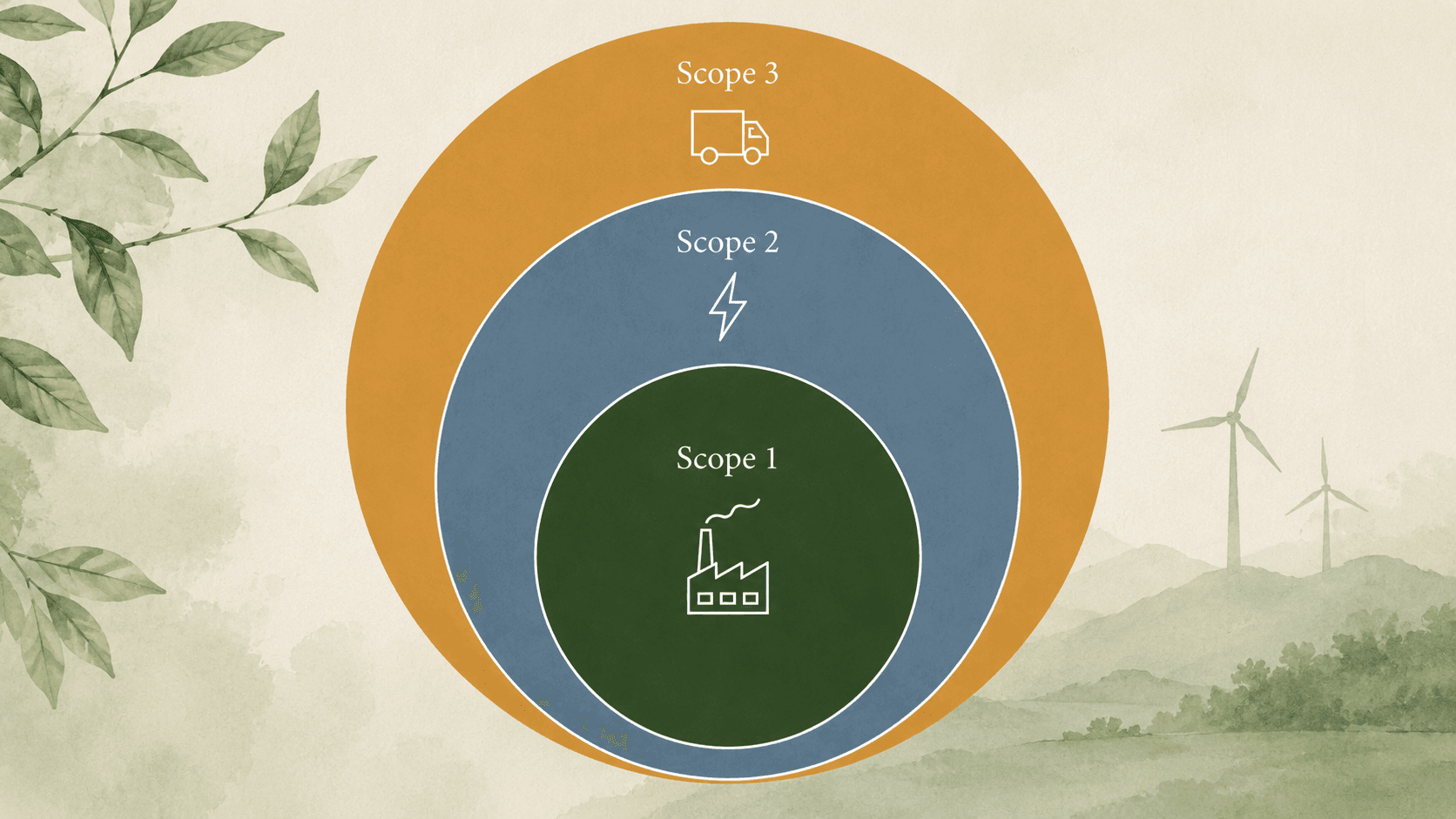
Understand the frameworks behind the roles: Scope 1, 2, and 3 Emissions Explained
Know what you're worth before you apply: Sustainability Manager Salary Guide 2026
What hiring managers are actually screening for: What Sustainability Hiring Managers Look For
Share this article

Founder of EcoRoles. I write about sustainability careers, ESG hiring trends, and the green economy — for professionals navigating the transition and teams building it.
LinkedIn
Renewable energy has three separate career tracks — field, development, and finance. Most candidates search without knowing which one they're actually qualified for.

Scope 1, 2, and 3 aren't just definitions — they map directly to job roles. Know which scope you'd own and you'll know exactly which jobs to target.

Job posts say 'passion for sustainability.' Hiring managers screen for GHG Protocol, TCFD, and Scope 3. Here's what they're actually looking for.