Renewable Energy Jobs in 2026: The Complete Guide by Role, Salary, and Region

Renewable energy has three separate career tracks — field, development, and finance. Most candidates search without knowing which one they're actually qualified for.

Vivek Jamwal
Vivek JamwalJun 20, 2026 · 11 min read
Renewable Energy Jobs in 2026: The Complete Guide by Role, Salary, and Region

The IEA projects more new energy jobs from clean energy than from fossil fuels every single year through 2030. Renewable energy is not a future employer — it is the fastest job-creating sector in the global economy right now.

But "renewable energy jobs" is not one job market. It is three, with almost no overlap in qualifications, pay structure, or hiring process.

The candidate searching for a solar installation role, the project developer trying to get a wind farm permitted, and the investment banker structuring tax equity for a battery storage project are all searching the same two words. They need completely different things, bring completely different backgrounds, and compete against completely different candidate pools.

Track 1 — Field and Technical: Installing, maintaining, and operating renewable energy assets. Physical and site-based. Trade certifications and hands-on technical skills.

Track 2 — Development and Project: Getting projects from greenfield to operational. Engineering, planning, permitting, and construction management. Office and site-based mix.

Track 3 — Finance and Investment: Structuring the capital that makes projects possible. Fully office-based. Financial modelling, deal structuring, investment analysis.

Your background and what you are willing to do physically determines which track you are on. That distinction — not your enthusiasm for clean energy — is what determines your qualifications, your salary ceiling, and which companies will hire you. This guide maps all three.


Track 1 — Field and Technical Roles

The largest track by headcount. The majority of people employed in renewable energy work in field and technical roles — installing solar panels, maintaining wind turbines, commissioning battery systems, and keeping operating assets running.

Solar PV Installer and Technician

The most-hired role in the entire US clean energy economy. The Solar Energy Industries Association counts more than 263,000 solar workers nationally, the majority in installation.

Pay: $22–$38 per hour ($46,000–$79,000 annually). On projects claiming IRA investment tax credits, Davis-Bacon prevailing wage requirements floor installer wages at $28 or more per hour in most states — significantly above the pre-IRA market floor.

Credentials: NABCEP PV Associate is the industry-standard entry credential. OSHA 10 required on most commercial sites. Electrical licence beneficial for residential work.

Where the work is: California, Texas, Florida, Arizona, and New York lead for volume. Utility-scale growth is fastest in the Southeast — Georgia, South Carolina, and North Carolina are all scaling rapidly.

Wind Turbine Technician

The fastest-growing occupation in the United States economy. The BLS projects 60 percent employment growth through 2032 — more than any other occupation.

Pay: $58,000–$80,000 onshore. Offshore roles command a $15,000–$25,000 premium, bringing total cash to $80,000–$105,000 or more for experienced offshore technicians.

Credentials: GWO Basic Safety Training is the minimum for most employers. BZEE or equivalent technical certification for turbine-specific work. Offshore roles require HUET (helicopter underwater escape training) and offshore survival certification.

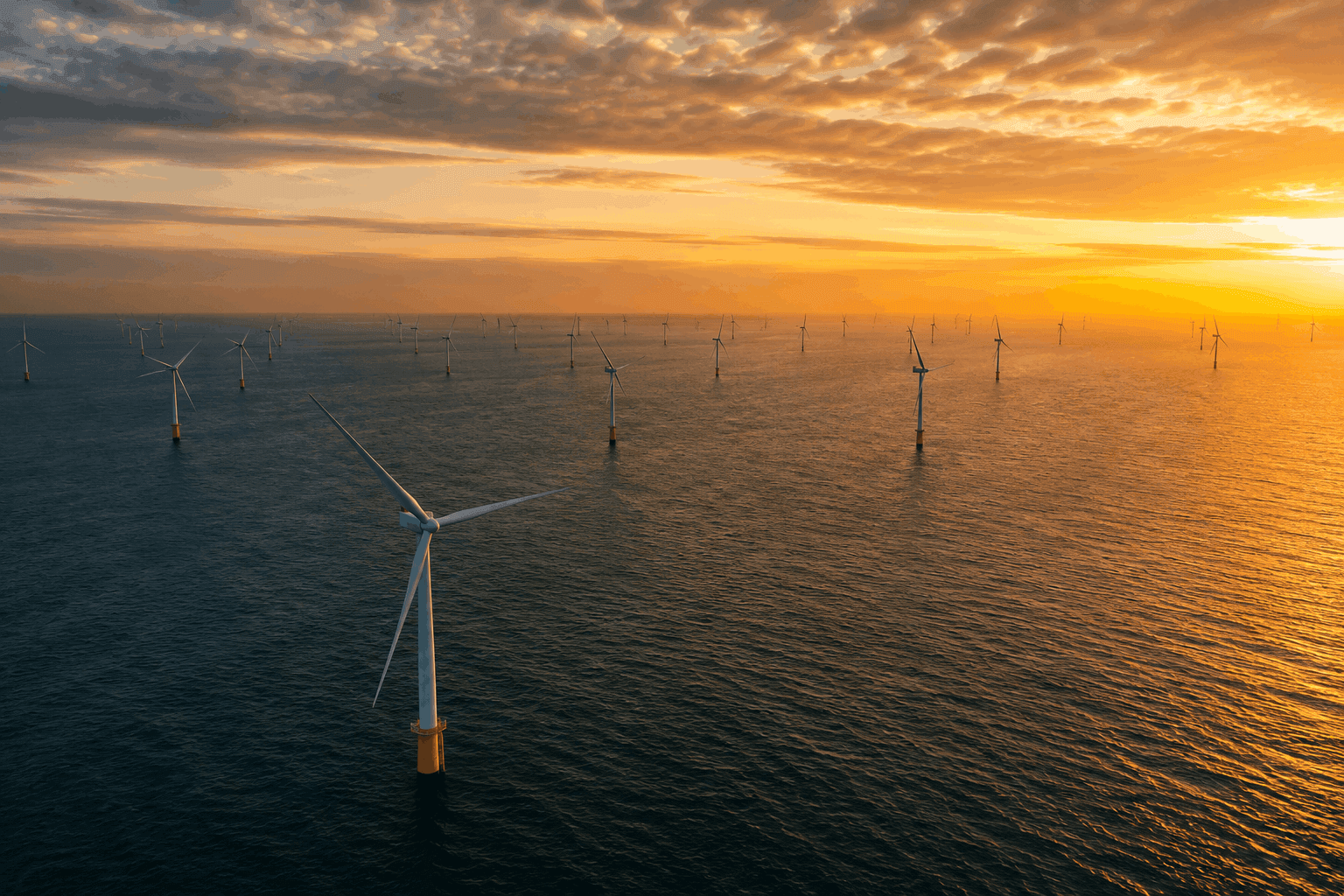
Where the work is: Onshore — Texas, Iowa, Oklahoma, Colorado, Illinois. Offshore — US Northeast (Massachusetts, New York, New Jersey, Connecticut, Virginia) and UK North Sea and ScotWind areas.

Battery Storage Technician

A newer but rapidly scaling role category, driven by the IRA's Section 48E storage investment tax credit in the US and aggressive grid storage procurement in the UK and Australia.

Pay: $45,000–$70,000 for technician-level roles. Systems commissioning and BMS (battery management system) specialists earn toward the higher end.

Credentials: Electrical background strongly preferred. Manufacturer-specific training (Tesla Megapack, Fluence, LG Energy) is increasingly required. OSHA electrical safety certification.

Where the work is: California, Texas, Nevada, and Arizona in the US. UK grid storage buildout concentrated in England and Scotland. South Australia is the most active Australian storage market.

Operations and Maintenance Technician

The recurring-demand backbone of the field track. Once assets are built, they need maintaining — and the growing installed base of solar, wind, and storage assets means O&M hiring is less cyclical than construction-phase installation work.

Pay: $50,000–$75,000. Experienced multi-technology O&M technicians with SCADA skills earn toward the higher end.


The IRA wage floor changed field compensation permanently. Projects claiming the full IRA tax credit must pay workers at least the Davis-Bacon prevailing wage for their trade and county. In high-cost states, this floors electrical trade wages on commercial and utility-scale projects at $32–$48 per hour. Employers who cut corners on wages lose the majority of their tax credit. The financial incentive for compliance is stronger than any labour regulation.


Track 2 — Development and Project Roles

The track where oil and gas professionals, engineers, planners, and project managers find their clearest pathway into renewable energy. Track 2 gets projects from concept to commercial operation — which requires a blend of technical, regulatory, financial, and logistical skills that maps closely to what adjacent industries already produce.

Renewable Energy Project Developer

The end-to-end builder of a renewable energy project — from site identification through permitting, interconnection application, offtake negotiation, and financial close. One of the most complex roles in the sector.

Pay: $90,000–$130,000. Senior developers at large IPPs earn $140,000 or more.

Background: Land and right-of-way, real estate, planning, civil engineering, policy. Oil and gas land professionals transfer particularly well — the site acquisition and lease negotiation skills are nearly identical.

Project Manager

Manages the construction and commissioning phase — contractor coordination, schedule management, budget control, permit compliance. The execution counterpart to the developer's origination work.

Pay: $85,000–$120,000. PMP certification beneficial. Large-project experience commands premium.

Background: Construction management, engineering, project management from any infrastructure sector. Military project management backgrounds transfer well.

Grid Interconnection Engineer

The most undersupplied role in the entire renewable energy development sector. The US FERC interconnection queue has over 2,600 GW of projects waiting — every one of them needs engineers who understand power flow studies, transmission planning, and the FERC interconnection process.

Pay: $95,000–$135,000. Experienced interconnection engineers are actively recruited across the industry.

Background: Power systems engineering, electrical engineering with grid experience. Utility background is highly valued.

Energy Analyst

Resource assessment (solar irradiance, wind speed analysis), yield modelling, feasibility analysis, and performance monitoring across operating assets.

Pay: $75,000–$100,000.

Background: Engineering, physics, data science. Tools: PVSYST for solar, WindPRO or WAsP for wind, Python or MATLAB for modelling.

Policy and Regulatory Analyst

Federal and state permitting, environmental review (NEPA, state equivalents), community engagement, and regulatory compliance. The interface between the project and the regulatory environment.

Pay: $75,000–$105,000.

Background: Environmental law, policy, planning, public affairs.


Track 3 — Finance and Investment Roles

Get the weekly green briefing

No noise. Just insights.

The smallest track by headcount, the highest compensated, and the one most accessible to finance professionals from outside the sector. Renewable energy project finance is structurally similar to infrastructure finance — the technical subject matter (solar irradiance curves, wind capacity factors, battery dispatch revenue stacks) is learnable. The financial modelling, deal structuring, and investment evaluation skills are the actual scarce resource.

Project Finance Manager/Associate

Structuring debt and equity for renewable energy projects — construction loans, term loans, tax equity, back-leverage. IRA tax credits have created a complex new layer of financial structuring in the US market.

Pay: $90,000–$140,000. Senior project finance professionals at major banks or developers earn significantly more in total comp.

Background: Investment banking, infrastructure finance, project finance from any sector. The IRA tax equity market specifically requires understanding of production tax credits, investment tax credits, and transferability mechanisms introduced in 2022.

Clean Energy Investment Analyst

Evaluating project-level or company-level investments across solar, wind, storage, and emerging technologies. Works at PE funds, infrastructure funds, impact investors, or corporate development teams at utilities and developers.

Pay: $85,000–$130,000 base. Carried interest and fund performance bonuses at PE firms.

Background: CFA holders, investment analysts from infrastructure or energy sectors.

Energy Market and Carbon Analyst

Renewable energy certificate (REC) markets, capacity markets, energy storage revenue stacking, voluntary carbon credits, and IRA financial products. An increasingly specialised role as clean energy markets become more complex.

Pay: $80,000–$120,000.

Background: Energy trading, commodities, financial analysis.


Salary by Track and Level

Role

Track

Entry

Mid

Senior

Solar PV Installer

Field

$46K–$55K

$55K–$68K

$68K–$79K

Wind Turbine Technician

Field

$52K–$62K

$62K–$72K

$72K–$105K (offshore)

Battery Storage Technician

Field

$45K–$55K

$55K–$65K

$65K–$75K

O&M Technician

Field

$48K–$58K

$58K–$68K

$68K–$80K

Project Developer

Development

$75K–$90K

$90K–$115K

$115K–$145K

Project Manager

Development

$75K–$90K

$90K–$115K

$115K–$135K

Grid Interconnection Engineer

Development

$85K–$100K

$100K–$120K

$120K–$140K

Energy Analyst

Development

$65K–$80K

$80K–$95K

$95K–$110K

Project Finance Manager

Finance

$80K–$100K

$100K–$125K

$125K–$155K

Clean Energy Investment Analyst

Finance

$80K–$95K

$95K–$115K

$115K–$140K

The salary gap between a senior field technician and a senior project finance professional in the same company can exceed $100,000. Both are renewable energy jobs. The track you are on — not just your years of experience — determines your ceiling.

Browse open renewable energy roles by track on EcoRoles → See open roles


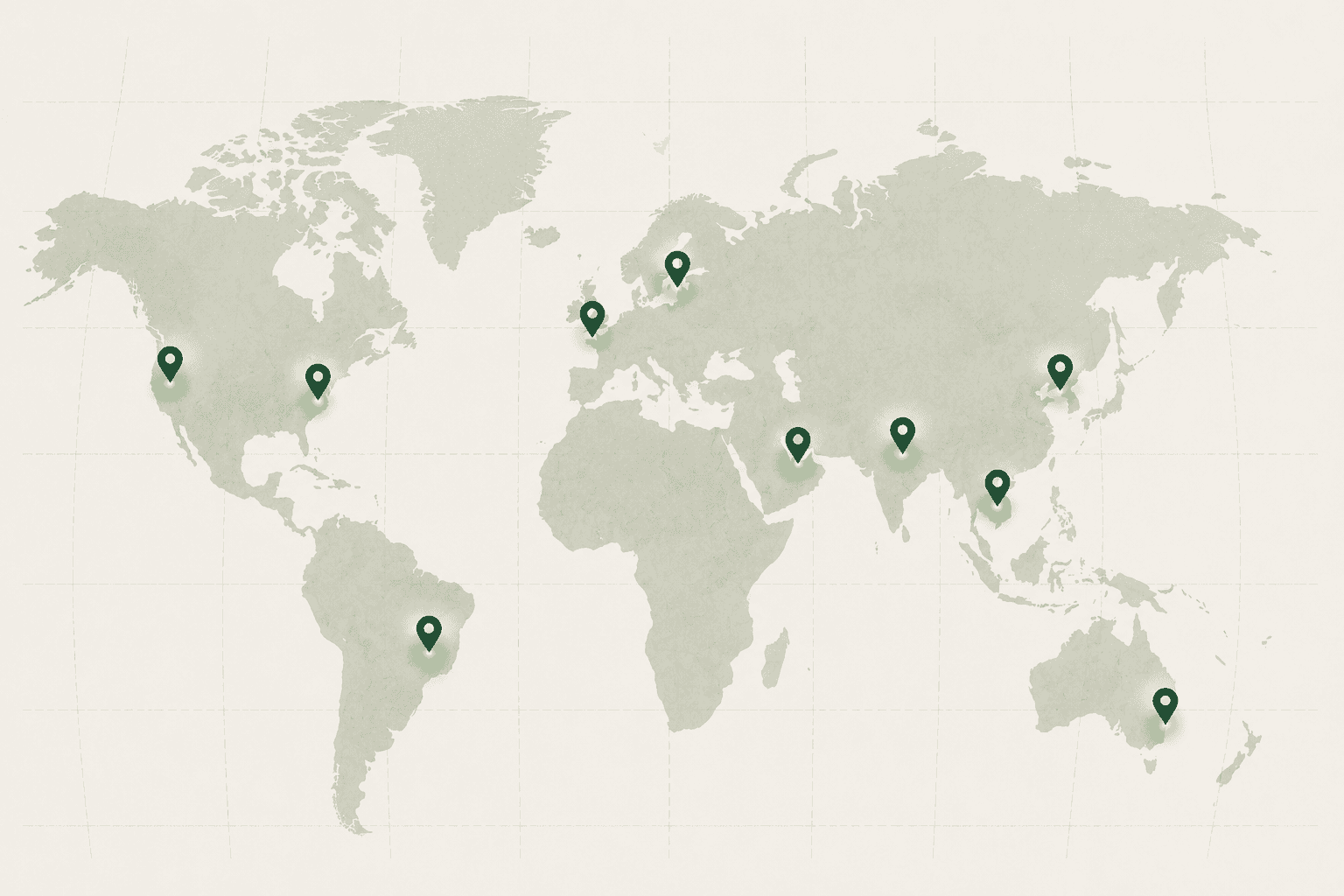
Where the Jobs Are — Four Markets in 2026

🇺🇸 United States

The IRA is the structural driver of US renewable energy hiring. Texas leads nationally for wind and utility-scale solar. The Southeast — Georgia, South Carolina, the Carolinas — is scaling fast for solar manufacturing and installation. The Northeast corridor from Virginia to Massachusetts is the US offshore wind hub. Grid interconnection and transmission development is the single most undersupplied function nationally, with the FERC queue backlog creating consistent demand for power systems engineers regardless of project cycle.

🇬🇧 United Kingdom

Offshore wind defines the UK renewable energy job market. The ScotWind leasing programme and Crown Estate Round 4 offshore licensing are creating a wave of development, project management, and supply chain roles concentrated in Scotland, the Northeast of England, and East Anglia. London hosts the finance and corporate functions — clean energy investment, project finance, and ESG for utilities. The UK grid is also under significant constraint, making grid integration and transmission roles the development-track equivalent of what interconnection engineers are in the US.

🇦🇺 Australia

The Clean Energy Council projects more than 35,000 new clean energy jobs in Australia by 2030 — driven by the Capacity Investment Scheme, state-level renewable energy targets, and the transition pressure on the coal-heavy grid. Queensland and New South Wales lead for large-scale solar. South Australia is the global reference market for grid-scale battery storage. Victoria's offshore wind zone is in early development, creating project development and environmental assessment roles now ahead of construction phases. Perth is the centre for renewable energy roles in the resources and mining sector.

🇨🇦 Canada

Canada's federal carbon price creates specific energy market and carbon finance roles that don't have a direct US equivalent — Track 3 candidates from the US looking at the Canadian market will find this the most differentiated aspect. Alberta's wind and solar buildout is significant — and the skills profile of Alberta's oil and gas workforce maps almost directly to Track 2 renewable energy development in the same way Texas does. British Columbia leads for clean tech and hydroelectric integration. Ontario is the storage and grid modernisation hub.


Which Track Are You? — A Decision Framework

Most renewable energy job guides list roles. Almost none tell you which ones you are actually qualified for. That's the gap that causes finance graduates to apply for technician roles and trades professionals to get lost in project finance applications.

Three questions:

Do you want to work with physical assets, outdoors or on job sites? → Track 1. Start with NABCEP PV Associate for solar or GWO Basic Safety for wind. Both can be completed in under two weeks and will get your first application taken seriously.

Do you have engineering, planning, project management, legal, or policy experience? → Track 2. Your transferable skills are the qualification — the renewable energy sector knowledge is the gap. Close it by reading one sector report cover to cover (Wood Mackenzie or BloombergNEF publish accessible annual outlooks), getting familiar with the FERC interconnection process if US-based, and targeting your application to roles that mirror your deepest existing expertise first.

Do you have finance, investment analysis, deal structuring, or trading experience? → Track 3. The financial skills are the scarce resource — the clean energy technical knowledge is learnable. Start with the IEA World Energy Outlook to understand the macro context, then learn the specific financial products your target employer works with: IRA tax equity, PPAs, RECs, or project debt depending on their business model.

One additional pathway worth naming: oil and gas professionals who span Track 2 and Track 3 — experienced in both project execution and the financing structures behind them — are among the most sought-after candidates in the entire renewable energy hiring market. The skills are directly transferable. The sector knowledge takes months, not years, to build.


The renewable energy transition is the largest economic reallocation in a generation — and it is creating a talent shortage across all three tracks that is not going to resolve quickly. The candidates who benefit are not the ones most enthusiastic about clean energy. They are the ones who identified which track their existing skills map to and started applying with that clarity before the market fully priced it in.


The fastest-growing US state for renewable energy hiring: Green Jobs in Texas

Share this article


Vivek Jamwal
Vivek JamwalFounder, EcoRoles

Founder of EcoRoles. I write about sustainability careers, ESG hiring trends, and the green economy — for professionals navigating the transition and teams building it.

LinkedIn

Weekly Newsletter

The EcoRoles Brief — free, weekly.

Salary benchmarks, hiring trends, and career intelligence for the green economy. Read by ESG professionals and sustainability hiring teams across the USA.

No spam. Unsubscribe any time. Trusted by sustainability professionals across the USA.

Related Articles

Sustainability Jobs in 2026: Who's Hiring, What Pays, and Where to Find It

Sustainability Jobs in 2026: Who's Hiring, What Pays, and Where to Find It

Sustainability jobs have split into two tiers — one accelerating fast, one stagnating. Most candidates are searching in the wrong one. Here's the full picture.

Vivek Jamwal
Vivek JamwalJun 20, 2026 · 12 min read
Scope 1, 2, and 3 Emissions Explained (and Why It Matters for Your Career)

Scope 1, 2, and 3 Emissions Explained (and Why It Matters for Your Career)

Scope 1, 2, and 3 aren't just definitions — they map directly to job roles. Know which scope you'd own and you'll know exactly which jobs to target.

Vivek Jamwal
Vivek JamwalMay 18, 2026 · 9 min read
What Sustainability Hiring Managers Actually Look For (That Job Posts Don't Say)

What Sustainability Hiring Managers Actually Look For (That Job Posts Don't Say)

Job posts say 'passion for sustainability.' Hiring managers screen for GHG Protocol, TCFD, and Scope 3. Here's what they're actually looking for.

Vivek Jamwal
Vivek JamwalMay 17, 2026 · 9 min read